

Tower of Five Orders : ค้นหาหนังสือธรรมะ หน้า 6 / 31
หน้าหนังสือทั้งหมด
138
Criteria for Giving and Boonya
Part Five: Truth for the Family
b. Upright intention. The objective of giving
is to say goodbye to misery, selfishness, and
greed. It is not done to gain riches, fame, or
recognition. The true intent
ส่วนที่ห้าพูดถึงความจริงของครอบครัว โดยเน้นไปที่เจตนาที่ถูกต้องของการให้ เพื่อแยกแยะจากความทุกข์ การเห็นแก่ตัว และความโลภ เจตนาที่แท้จริงคือการแบ่งปันและได้รับบุณญะ ซึ่งมีลักษณะเป็นพลังบริสุทธิ์ เกิดจ
195
Valuable Tools for Personal Growth
Part Seven: Appendixes
a member of the family and doing it with integrity
(Samānattatā)
Four Valuable Tools Which Enable us to Reach our Goals
(Iddhipāda):
1. Satisfaction and joy in the thing concern
In this section, we discuss four valuable tools for reaching goals, known as Iddhipāda. These include Chanda (satisfaction), Viriya (diligent effort), Citta (wholehearted attention), and Vimamsā (rese

194
Journey to Joy: Embracing Buddhism and Meditation
Journey to Joy
194
that my services as a builder could be useful in
the conversion of the Brookwood Chapel into a
Meditation Centre. So, I offered my services and
started work. My work involved stayin
In this reflective journey, the author shares how working on the conversion of Brookwood Chapel into a Meditation Centre inspired a deeper exploration of Buddhism and meditation. Engaging with the Tha
141
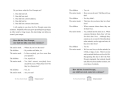
Understanding the Five Precepts
Do you know what the Five Precepts are?
1. One shall not kill.
2. One shall not steal.
3. One shall not commit adultery.
4. One shall not lie.
5. One shall not consume intoxicants.
I will explain to y
This text introduces the Five Precepts of Buddhism, emphasizing the importance of ethical behavior. The narrative begins with a question from a senior monk about love and life, illustrating that all b
142
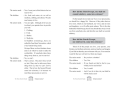
Understanding the Five Precepts for Children
The extracted text from the image is:
---
The senior monk : Now I want you to think about what we need to live.
The children : Air, food, and water, sir, as well as medicine, clothing, and a house
This content explores the concept of the Five Precepts in Buddhism, focusing on the fundamental necessities of life such as air, food, water, clothing, medicine, and shelter. It discusses how these re
170
The Importance of Generosity and Morality in Family Dynamics
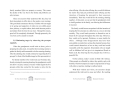
family members fight over property or money. This causes the decline of the very best in the family and problems can only increase.
Since our ancestors fully understood this fact, they led their desc
Family disputes over property and finances can deteriorate relationships. Ancestors encouraged their descendants to practice generosity, contributing to positive family dynamics. Teaching children to
80
Understanding Dhammakāya and its Significance in Buddhism
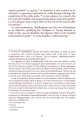
mental qualities128 or purity,129 or identifies it with realities to be
attained or experienced spiritually by noble disciples through the
penetration of the noble paths.130 In one instance, he connec
This text examines the term dhammakāya as articulated by Buddhaghosa, linking it to spiritual realities and teachings of the Buddha. It highlights the role of dhamma-vinaya as a guiding principle and
14
Sappurisadana Sutta: Gifts of a Person of Integrity
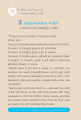
3. Sappurisadana Sutta8 :
A Person of Integrity's Gifts
"These five are a person of integrity's gifts.
Which five?
A person of integrity gives a gift with a sense of conviction.
A person of integrity
The Sappurisadana Sutta describes five essential gifts that characterize a person of integrity. These gifts include giving with conviction, attentiveness, in an appropriate time, with empathy, and wit
60
Dhammakaya Knowledge: The Five Aspects of Natural Law
The Dhammakaya Knowledge (Vijja10 Dhammakaya) is a profound knowledge that deals with the ‘Five Aspects of Natural Law’, the Law that governs all things. They include Biological Law, which governs all
The Dhammakaya Knowledge (Vijja10 Dhammakaya) focuses on the Five Aspects of Natural Law, including Biological, Chemical, Psychic, Karmic Laws, and the Law of Cause and Effect. This knowledge reveals
85
The Dhammakaya Tradition
The Dhammakaya Tradition
The Dhammakaya Tradition is a Buddhist meditation method taught by Phramongkolthepmuni in the early 20th century. Dhammakaya meditation encompasses both the samatha (tranquili
The Dhammakaya Tradition is a renowned Buddhist meditation technique initiated by Phramongkolthepmuni in the early 20th century, blending samatha and vipassana practices with the aim of overcoming the
133
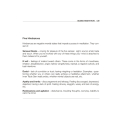
Understanding the Five Hindrances in Meditation
Five Hindrances
Hindrances are negative mental states that impede success in meditation. They consist of:
Sensual Desire – craving for pleasure of the five senses: sight, sound, smell, taste and tou
The Five Hindrances are crucial negative mental states that can obstruct meditation success. They include Sensual Desire, which refers to craving for sensory pleasures that distract the mind. Ill will
134
Overcoming the Five Hindrances in Meditation
The Five Hindrances are major obstacles that impede meditation. It is the darkness that obscures our mind like dark clouds obscuring the shining sun causing the sun not to be seen. Our mind is obscure
The Five Hindrances are major obstacles to meditation, obscuring our inner brightness and clarity. These hindrances can be overcome by stabilizing the mind and returning its focus to the center of the
21
Understanding Boonya and Mara with J. Dhyaan Master
Metings with J. Dhyaan Master
This is a store can satisfy every desire of god or man;
No matter what they aspire to have: All that is got by boon’s grace.
Beauty of looks, beauty of voice, beauty of
In the teachings of J. Dhyaan Master, the store of boon represents the source of all desires fulfilled by divine grace. Boonya, or pure energy from doing good, leads to personal purification and enlig
134
The Role of Parents and Teachers in Moral Training
Suzanne Jeffrey
"The teachers have a double duty, one of moral training and the other of academic training. So how do we solve this problem of teaching children what is good and bad? We train the par
In this text, Suzanne Jeffrey emphasizes the dual responsibility of teachers in academic and moral training. It suggests that parents must also be involved in teaching good habits alongside teachers a
72
Understanding Vinaya: The Code of Conduct in Buddhism
'Vinaya' means 'code of conduct', 'discipline' and 'regulations'on the behaviour of individuals. As a collection, it is the name of the first portion of the Buddhist Canon [Vinaya-piṭaka] which deals
Vinaya refers to the code of conduct governing the behavior of individuals within the Buddhist community, particularly monks and nuns. It encompasses the Vinaya-piṭaka, the first portion of the Buddhi
19
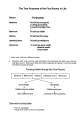
The True Purposes of the Five Rooms in Life
The True Purposes of the Five Rooms in Life
Room Purpose(s)
Bedroom To build up courage by
1) doing good deeds
2) pra
This text outlines the distinct purposes of the five rooms in life: Bedroom for courage, Bathroom for vitality, Kitchen for energy, Dressing Room for intelligence, and Workroom for wealth. Emphasizing
84
Embracing Virtue and Avoiding Harm
124. GRAB THE FLAG OF VICTORY
We are extremely fortunate to be born a human being. We are born to pursue
virtue, to build spiritual benefits. So take this opportunity to accumulate only
good thi
This text emphasizes the importance of being human and the opportunity to build spiritual assets through virtue. The author shares personal experiences of adhering to the Five and Eight Precepts, disc
2
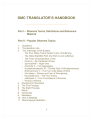
DMC Translator’s Handbook
DMC TRANSLATOR’S HANDBOOK
Part I -- Dhamma Terms, Definitions and Reference Material
Part II – Popular Dhamma Topics
1. Buddhism
2. The Buddha’s Life
3. The Teachings of the Buddha
- The Four Nob
The DMC Translator’s Handbook provides essential references on Dhamma terms and popular topics in Buddhism. It encompasses teachings like the Four Noble Truths, the Noble Eightfold Path, and meditatio
112
Historical Development and Techniques of Dhammakaya Meditation
**Historical Development to present**
Phramongkolthepmuni devoted his time from 1916-1959 to teaching Dhammakaya meditation. He ran a meditation workshop from 1935-1959 which was reserved for gifted
Phramongkolthepmuni dedicated his life to Dhammakaya meditation from 1916-1959, emphasizing team meditation. Since then, his disciples at various temples including Wat Phra Dhammakaya have continued t
114
Understanding Dispassion and Detachment in Dhammakaya Meditation
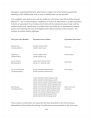
dispassion (ekantanibbida) and detachment (viraga) and accomplishes sequential shedding of the defilements until an end to defilements can be reached.
The meditator sees and knows with the latter fou
This text delves into the significance of dispassion (ekantanibbida) and detachment (viraga) in the process of shedding defilements through meditation. It illustrates the attainment levels based on th